
Early Life and Mumbai Roots
प्रताप बोस का जन्म 1974 में मुंबई की हलचल भरी सड़कों पर हुआ था। उनका बचपन उस दौर में बीता जब भारतीय automobile industry अपने शुरुआती दौर में थी। मुंबई शहर ने उन्हें वो environment दिया जहां creativity और innovation की कोई कमी नहीं थी।
बचपन से ही प्रताप को चीजों की design और structure देखने में खास interest था। वो अक्सर घंटों सड़क पर चलती गाड़ियों को देखते रहते थे। उन्हें हर car की अलग shape और form fascinating लगती थी।
स्कूल के दिनों में उनकी दोस्ती एक ऐसे लड़के से हुई जिसका भाई architecture पढ़ रहा था। इस मुलाकात ने प्रताप के दिमाग में design की दुनिया के दरवाजे खोल दिए। उन्होंने पहली बार समझा कि creativity को profession बनाया जा सकता है।
एक दिन मुंबई की सड़कों पर उन्होंने एक नीली Mercedes देखी। उस car की sleek lines और sophisticated design ने उनके दिल में एक चिंगारी जला दी। उसी पल उन्होंने फैसला कर लिया कि वो car designer बनेंगे।
मुंबई शहर की diversity और cosmopolitan nature ने उनकी thinking को shape किया। अलग-अलग cultures, styles और aesthetics का mix उनके creative vision का हिस्सा बन गया। यही चीजें आगे चलकर उनकी design philosophy की foundation बनीं।
Education and Design Foundation
National Institute of Design (NID) में admission लेना प्रताप के लिए एक turning point था। Ahmedabad स्थित यह institute India में design education का सबसे prestigious नाम है। यहां उन्होंने Industrial Design या Product Design में specialization की।
NID के curriculum ने उन्हें design thinking की गहराई से समझ दी। यहां सिर्फ drawing या sketching नहीं सिखाई जाती बल्कि problem-solving approach develop की जाती है। प्रताप ने यहां materials, manufacturing processes और user experience की बारीकियां सीखीं।
Institute में उन्होंने देश के सबसे talented students के साथ काम किया। workshops, projects और critiques के through उनकी design sensibility refined होती गई। professors और mentors ने उन्हें हमेशा boundaries push करने के लिए encourage किया।
NID से graduation के बाद प्रताप का एक बड़ा sapna था – Royal College of Art, London में पढ़ना। यह दुनिया की सबसे respected vehicle design program थी। लेकिन international education काफी expensive था और इसके लिए financial support की जरूरत थी।
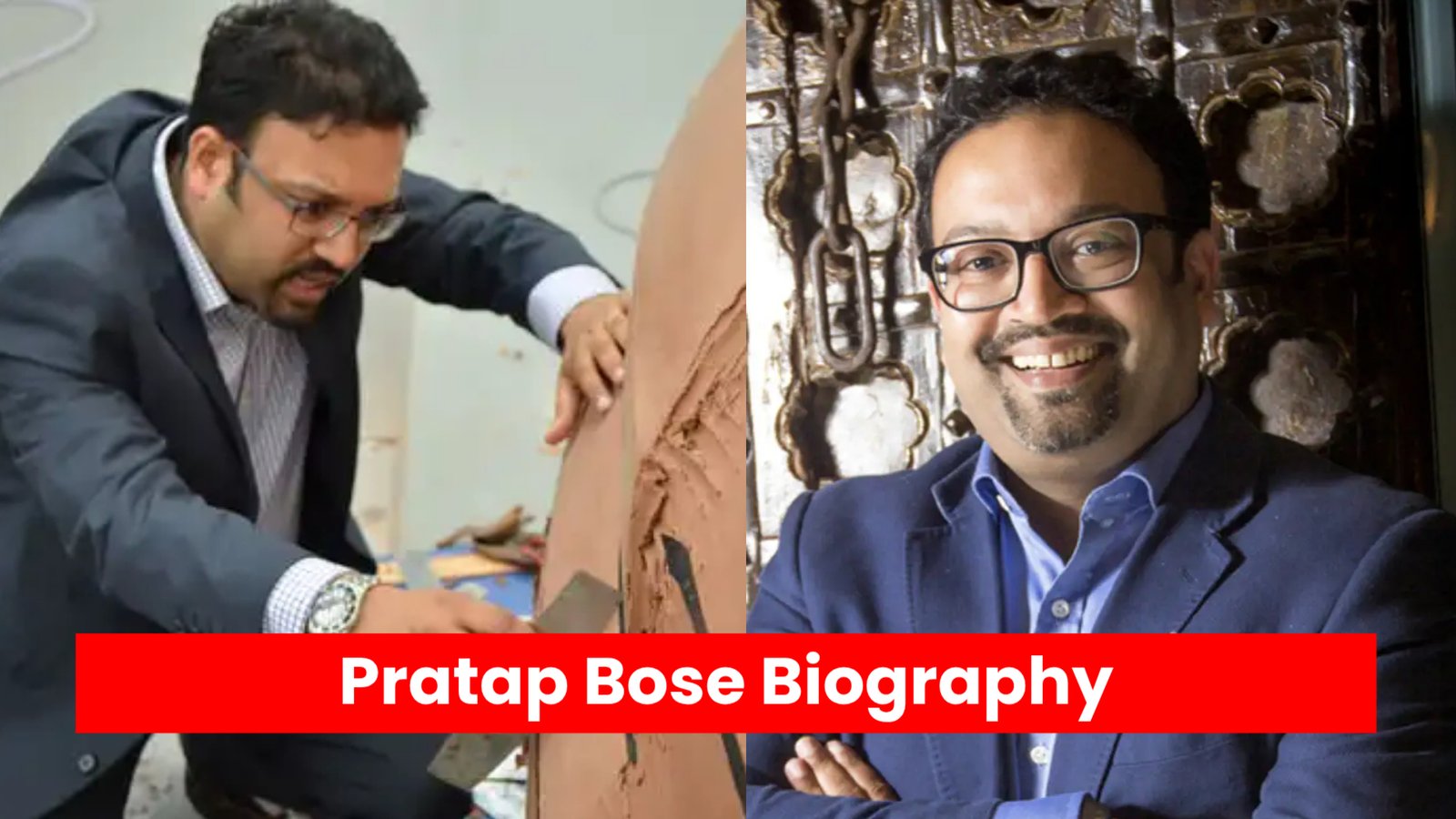
Inlaks Shivdasani Foundation ने प्रताप को scholarship provide की। 2001 में वो London पहुंचे और Royal College of Art में Master’s in Vehicle Design program में enroll हुए। यह उनकी life का एक transformative phase था।
RCA की strict और demanding curriculum ने उनकी skills को next level पर पहुंचाया। यहां automotive design को art form की तरह treat किया जाता था। world-class facilities, industry connections और expert faculty के साथ काम करने का मौका मिला।
Beginning of Professional Journey
Education complete करने के बाद प्रताप की पहली नौकरी Italy की famous company Piaggio में लगी। Piaggio का नाम iconic Vespa scooters के लिए जाना जाता है। यहां काम करना किसी भी young designer के लिए dream opportunity थी।
Italy में काम करने के experience ने उन्हें Italian design philosophy से परिचय कराया। Italians का approach था – design should be emotional, tactile और visually striking. हर product में passion और craftsmanship दिखनी चाहिए। यह सीख प्रताप के career में हमेशा काम आई।
Piaggio में उन्होंने two-wheeler design की intricacies सीखीं। compact vehicles में functionality और aesthetics को balance करना challenging होता है। प्रताप ने यहां precision और attention to detail की importance समझी।
इटली के बाद उनका अगला destination Japan था – Mitsubishi Motors. Japanese automotive industry की reputation quality, efficiency और innovation के लिए है। यहां का work culture बिल्कुल अलग था – disciplined, methodical और extremely detailed।
Mitsubishi में प्रताप ने Japanese design approach को closely observe किया। यहां हर decision data-driven होती थी और manufacturing feasibility हमेशा priority में रहती थी। Japanese engineers के साथ collaboration ने उन्हें technical aspects की गहरी समझ दी।
Japan के experience ने उनकी working style में precision और perfection की quest add की। वो समझ गए कि great design सिर्फ creative vision नहीं बल्कि technical excellence का भी result होती है।
Working With Luxury Brands
अपनी journey के अगले phase में प्रताप Mercedes Benz Advanced Design Centre से जुड़े। Mercedes-Benz automotive world में luxury और engineering excellence का symbol है। यहां काम करना किसी भी designer के लिए prestige और learning का मामला है।
Mercedes में उन्हें German automotive philosophy का experience मिला। Germans का approach engineering-led होता है – हर design element को technically justify करना पड़ता है। Quality standards extremely high होते हैं और compromise की कोई गुंजाइश नहीं।
Advanced Design Centre में future concepts और innovative ideas पर काम होता था। यहां designers को experiment करने की freedom मिलती थी लेकिन brand’s DNA को maintain करना essential था। प्रताप ने यहां luxury segment की nuances समझीं।
इस phase में उन्होंने तीन अलग design cultures – Italian, Japanese और German – का गहराई से अनुभव किया। हर culture की अपनी strengths थीं। Italian flair, Japanese precision और German engineering excellence – इन तीनों का blend उनकी unique design perspective बना।
International companies में काम करने के experience ने प्रताप को global mindset दिया। उन्होंने समझा कि अलग markets की अलग expectations होती हैं। design को local preferences के साथ global standards भी meet करनी पड़ती हैं।
20 years से ज्यादा की यह international journey उन्हें prepare कर रही थी अपने देश की automotive industry में बड़ा contribution करने के लिए। वो अब ready थे Indian brands को global level पर compete करने योग्य बनाने के लिए।
Homecoming to Tata Motors
2008 में प्रताप बोस Tata Motors से जुड़े। यह उनके career का सबसे significant decision था। वो Tata Motors European Technical Centre (TMETC) में Technical Specialist के post पर join हुए। UK में यह centre establish करने में उनकी important भूमिका रही।
उस समय Tata Motors अपनी global presence expand कर रही थी। company ने recently Jaguar Land Rover को acquire किया था। लेकिन Tata brand की passenger cars की image में improvement की जरूरत थी। design को लेकर perception काफी ordinary था।
प्रताप को challenge था Tata की design team को build करना और एक strong design philosophy develop करना। उन्होंने India, Italy और UK में तीन design centres को coordinate करना शुरू किया। team का size धीरे-धीरे grow करके 165+ professionals तक पहुंच गया।
शुरुआती दिनों में काफी groundwork करनी पड़ी। design processes को streamline करना, right talent को hire करना और modern facilities को setup करना। प्रताप ने अपनी international experience को leverage किया और world-class design studio create की।
Tata Motors में उनका vision clear था – Indian automotive industry को prove करना है कि हम भी globally competitive designs बना सकते हैं। देश की सबसे बड़ी automobile manufacturer होने के बावजूद Tata को design leadership की पहचान नहीं थी।
कुछ सालों में ही प्रताप Global Head of Design के position तक पहुंच गए। यह role उन्हें passenger cars, trucks और buses – सभी segments की design responsibility दी। इतनी diverse portfolio संभालना huge challenge था लेकिन उन्होंने इसे opportunity में बदल दिया।
Impact Design Philosophy Unveiled
Tata Motors में प्रताप बोस की सबसे बड़ी achievement थी ‘Impact Design’ philosophy को introduce करना। यह सिर्फ design language नहीं बल्कि पूरी brand identity को redefine करने की strategy थी। Impact Design का basic principle था – create vehicles that make a strong visual statement।
इस philosophy के तीन main pillars थे। पहला, Humanity – designs को human-centric होना चाहिए यानी users की needs और emotions को समझना। दूसरा, Proportions – right proportions से vehicle की presence बढ़ती है। तीसरा, Surfacing – surfaces को sculpt करके dynamism और character create करना।
Impact Design ने Tata vehicles को एक distinct identity दी। पहले की designs जहां safe और boring लगती थीं, अब bold और confident होने लगीं। sharp character lines, muscular surfaces और striking front fascias ने Tata cars को road पर अलग पहचान दी।
यह philosophy implement करना आसान नहीं था। पूरी design team को नए approach के according train करना पड़ा। engineering teams को convince करना पड़ा कि ये bold designs feasible हैं। manufacturing processes को भी update करना जरूरी था।
प्रताप ने ensure किया कि Impact Design सिर्फ paper पर न रहे। हर upcoming model में इसे consistently apply किया गया। gradually, यह Tata Motors की visual identity बन गई। customers भी इस change को notice करने लगे।
Impact Design ने Indian automotive design को एक नई direction दी। other manufacturers भी realize करने लगे कि design को seriously लेना जरूरी है। यह एक silent revolution था जो Tata Motors के design studios से शुरू हुआ।
Iconic Models and Success Stories
Tata Tiago प्रताप बोस की team की पहली major success थी। यह hatchback 2016 में launch हुई और Impact Design का पहला complete implementation थी। Tiago ने छोटी car segment में fresh perspective लाया जहां सब safe designs खेल रहे थे।
Tiago के design में humanity clear दिखती थी। interiors spacious थे और ergonomics पर ध्यान था। exteriors में sharp character lines और distinctive front grille थी। proportions balanced थे जो car को bigger feel देते थे। यह immediate hit बनी।
Tata Nexon ने compact SUV segment में तहलका मचा दिया। 2017 में launch हुई यह car coupe-like roofline और muscular stance के साथ आई। Impact Design philosophy यहां पूरी boldness के साथ दिखी। Nexon ने safety ratings में भी 5 stars score किए।
Nexon की design में drama था लेकिन functionality compromise नहीं हुई। high ground clearance, practical cabin space और modern features – सब कुछ था। यह India में एक best-selling SUV बन गई। इसकी success ने Tata की design capabilities को establish किया।
Tata Tigor compact sedan segment में entry थी। Tiago platform पर based यह car stylish trunk integration के साथ आई। कई compact sedans awkward लगती हैं लेकिन Tigor के proportions well-balanced थे। यह affordable segment में premium feel लेकर आई।
Harrier and Safari Revolution
Tata Harrier प्रताप बोस की सबसे ambitious project थी। 2019 में launch हुई यह mid-size SUV Land Rover के Discovery Sport platform पर based थी। Harrier का design brief था – create something that looks premium और imposing।
Harrier ने Indian SUV segment में नया benchmark set किया। इसकी design language को ‘Impact Design 2.0’ कहा गया। long hood, high shoulder line और coupe-like roofline ने इसे aggressive look दी। front में humanity nose और sleek headlamps ने modern character add किया।
इस SUV की proportions impressive थीं। long wheelbase ने stable stance दिया। flared wheel arches और 18-inch wheels ने muscular appeal add की। side profile में character lines perfectly sculpted थीं। rear में connected LED tail lamps ने premium touch दिया।
Harrier की success के बाद 2021 में Tata Safari को re-launch किया गया। Safari एक legendary nameplate थी जिसे India की first SUV माना जाता था। नई Safari को Harrier platform पर build किया गया लेकिन 7-seater version के रूप में।
नई Safari में nostalgic elements को modern interpretation के साथ blend किया गया। overall design language Harrier से मिलती-जुलती थी लेकिन distinctive identity थी। slightly longer body, different grille design और unique color options ने इसे अलग बनाया।
दोनों vehicles ने Tata Motors को premium segment में strong foothold दी। ये proof थे कि Indian brand भी international quality के designs deliver कर सकती है। customers की response overwhelming थी और waiting periods months तक चली गईं।
Recognition and Industry Impact
प्रताप बोस की achievements को global level पर recognition मिला। 2018 में China Industrial Design Association ने उन्हें ‘Chief Design Officer of the Year’ award से सम्मानित किया। यह पहली बार था जब किसी Indian designer को यह prestigious award मिला था।
2021 में उनका नाम World Car Person of the Year के लिए nominate हुआ। यह automotive industry की सबसे बड़ी individual recognitions में से एक है। shortlist में आना ही huge achievement थी क्योंकि global level पर competition होती है।
इन awards से सिर्फ प्रताप को नहीं बल्कि Indian automotive design industry को भी recognition मिली। यह message गया कि India में world-class design talent है। international media में भी Tata Motors के design transformation की बात होने लगी।
Tata Motors के पुनर्जन्म में प्रताप की भूमिका undeniable थी। company की market position improve हुई और brand perception dramatically change हुई। sales figures भी इसे reflect करते थे – Nexon, Tiago और Harrier consistent bestsellers बने।
Indian automotive industry में design को लेकर जो neglect था, वो कम होने लगा। companies समझने लगीं कि design competitive advantage बन सकती है। young students भी automotive design को serious career option की तरह देखने लगे।
प्रताप ने Royal College of Art में Visiting Professor की position भी संभाली। यहां वो future car designers को mentor करते हैं। अपनी experience और knowledge को next generation के साथ share करना उनके लिए fulfilling है।
New Chapter at Mahindra
2021 में एक surprising news आई – प्रताप बोस ने Tata Motors से resign कर दिया। लगभग 14 साल की शानदार innings के बाद यह फैसला काफी unexpected था। industry में speculation शुरू हो गई कि वो किस direction में जाएंगे।
कुछ ही महीनों में announcement हुआ कि Mahindra & Mahindra ने प्रताप को अपना Chief Design Officer नियुक्त किया है। यह Executive Vice President level की position थी। Mahindra के लिए यह major coup था क्योंकि वो industry के सबसे respected designer को hire कर रहे थे।
Mahindra ने इस appointment के साथ Global Design organization create की। इसमें UK स्थित Mahindra Advanced Design Europe (M.A.D.E) और India की Mahindra India Design Studio (M.I.D.S) को integrate किया गया। प्रताप को इस पूरे setup को lead करने की responsibility मिली।
नई role में challenge पहले से भी बड़ा था। Mahindra की product portfolio extremely diverse थी – SUVs, light commercial vehicles, tractors, two-wheelers और electric vehicles. हर segment की अपनी design requirements और customer expectations थीं।
Mahindra के पास rich heritage थी खासकर SUVs में। Scorpio, Thar और XUV जैसे strong nameplates पहले से थे। लेकिन design language में consistency की कमी थी। प्रताप का vision था इसे organize करना और future-ready बनाना।
उन्होंने 100+ designers की team को lead करना शुरू किया। India और UK के studios में काम coordinate करना था। साथ ही company के electrification plans में design की strategic role define करनी थी।
Heartcore Philosophy and Vision
Mahindra में प्रताप ने ‘Heartcore’ design philosophy introduce की। यह concept था कि design सिर्फ aesthetics नहीं है बल्कि brand की soul है। हर touchpoint पर – product, marketing, showroom, customer experience – design की consistency होनी चाहिए।
Heartcore का मतलब था designs को emotional connect create करना चाहिए। customers को vehicle से सिर्फ functional level पर नहीं बल्कि emotional level पर भी जुड़ना चाहिए। यह approach Mahindra के ‘Rise’ brand philosophy के साथ align करता था।
प्रताप की strategy थी Mahindra के different sub-brands के लिए distinct design languages develop करना। Thar की अपनी rugged, authentic identity होनी चाहिए। Scorpio को aggressive, dominant character चाहिए। XUV को sophisticated, premium feel चाहिए।
इस approach से brand cannibalization कम होती है। हर vehicle अपने target audience को specifically appeal करती है। साथ ही customers को choice मिलती है कि वो किस personality की vehicle चाहते हैं।
Electric vehicles के लिए अलग design direction था। EVs को futuristic और clean aesthetic चाहिए थी। लेकिन Mahindra का DNA – boldness और capability – इसमें भी reflect होना था। aerodynamics और sustainability को aesthetics के साथ integrate करना था।
Heartcore philosophy में technical requirements को design challenge की तरह treat किया जाता है। example के लिए, EV में battery packaging है तो cabin space को optimize कैसे करें। aerodynamic efficiency चाहिए तो surfaces को कैसे sculpt करें।
Leading Transformation at Mahindra
प्रताप की leadership में Mahindra की design approach fundamentally बदल गई। पहले design को post-engineering activity की तरह देखा जाता था। अब यह strategic decisions में involved है। product planning से लेकर brand positioning तक – design की voice है।
Mahindra के upcoming EVs में यह transformation clearly दिखेगा। XUV.e series और अन्य electric platforms पर काम चल रहा था। इनमें cutting-edge design elements होंगे लेकिन Mahindra की SUV heritage भी maintain रहेगी।
design team का काम सिर्फ vehicles तक limited नहीं है। showroom experiences, brand events, digital presence – सब पर design thinking apply हो रही है। customer journey के हर step को curate किया जा रहा है।
प्रताप ने ensure किया कि Mahindra की global ambitions के लिए design ready है। international markets में compete करने के लिए world-class quality standards चाहिए। साथ ही Indian market की unique preferences को भी समझना जरूरी है।
उन्होंने young Indian designers को encourage करने पर focus किया। Indian design talent को opportunity दी जाए और उन्हें global exposure मिले। उनका मानना है कि Indian designers Indian market को सबसे बेहतर समझ सकते हैं।
Mahindra में प्रताप का tenure अभी जारी है और आने वाले सालों में इसके results दिखेंगे। लेकिन direction और vision clear है – Mahindra को design-led organization बनाना जो globally respected हो।
Teaching and Mentorship Role
Royal College of Art में Visiting Professor के तौर पर प्रताप युवा designers को guide करते हैं। यह institution जहां से उन्होंने खुद सीखा था, वहां पढ़ाना उनके लिए special है। students को अपनी real-world experience share करना fulfilling लगता है।
classes में वो सिर्फ technical skills नहीं बल्कि design thinking और problem-solving approach सिखाते हैं। automotive design में creativity और constraints को balance करना crucial है। यह practical wisdom textbooks में नहीं मिलती।
प्रताप का मानना है कि automotive design education evolve हो रही है। 90s में जब वो पढ़ रहे थे तब India में यह barely recognized field थी। अब specialized programs हैं और students को targeted training मिलती है।
लेकिन वो warning भी देते हैं कि designers की oversupply से quality compromise हो सकती है। industry, education institutes और aspiring designers के बीच balanced relationship जरूरी है। सबको realistic expectations रखनी चाहिए।
mentorship में वो students को बताते हैं कि opportunities खुद create करनी पड़ती हैं। waiting करने से काम नहीं चलता। proactive approach, continuous learning और resilience जरूरी है। rejection और setbacks part of journey हैं।
उनका advice है कि young designers को different cultures और markets का exposure लेना चाहिए। international experience perspective broaden करता है। साथ ही अपनी roots को भी समझना important है क्योंकि authentic design वहीं से आती है।
Personal Interests and Hobbies
professional achievements के अलावा प्रताप की कुछ interesting personal hobbies भी हैं। वो 1:72 scale plastic models बनाते हैं, specially World War II aircraft के। यह hobby precision और patience की demand करती है।
model-making और automotive design में common thread है – attention to detail। छोटे scale में accuracy maintain करना challenging है। हर part को carefully assemble करना और paint करना meditative process है। यह stress-relief का भी काम करता है।
यह hobby childhood से है जब वो shapes और forms में fascinated थे। aircraft design में भी aerodynamics और aesthetics का balance है जो उन्हें appeal करता है। WW2 aircraft specially iconic हैं अपनी distinctive designs के लिए।
अपने family के साथ quality time बिताना भी priorities में है। career की demands काफी होती हैं खासकर global role में। लेकिन work-life balance maintain करना वो important मानते हैं। family का support उनकी success का crucial factor रहा है।
Pride of NID award मिलने पर उन्होंने अपने parents को dedicate किया। साथ ही 26 years के career में मिले सभी colleagues, mentors और team members का gratitude express किया। यह humility उनकी personality का हिस्सा है।
वो art और architecture में भी interest रखते हैं। museums visit करना और different design movements को study करना पसंद है। यह cross-pollination of ideas automotive design में fresh perspective लाती है।
Impact on Indian Automotive Design
प्रताप बोस ने Indian automotive design industry का landscape बदलने में pioneering role निभाई है। उनसे पहले Indian brands की design capabilities को seriously नहीं लिया जाता था। international perception था कि India सिर्फ low-cost manufacturing kar sakta hai।
उनके काम ने prove किया कि Indian brands भी world-class design deliver कर सकते हैं। Tata Harrier जैसी vehicles को international auto shows में praise मिली। automotive journalists ने Indian design को recognize किया।
इससे पूरी industry में confidence बढ़ा। other manufacturers भी design में invest करने लगे। design teams का size बढ़ा और senior leadership में design की representation improve हुई। यह cultural shift थी जो long-term impact डालेगी।
young aspirants के लिए प्रताप role model बने। automotive design को serious और rewarding career option की तरह देखा जाने लगा। design schools में applications बढ़े और quality of students improve हुई। Indian talent को global stage मिलने लगा।
उनकी success ने यह भी दिखाया कि Indian designers को international experience चाहिए लेकिन home-grown talent को nurture करना equally important है। brain drain को reverse करने का message गया कि India में भी opportunities हैं।
automotive design के अलावा broader design community में भी उनका impact है। interdisciplinary approach और user-centric thinking जो वो promote करते हैं वो हर field में relevant है। design को business strategy का integral part बनाना चाहिए।
Design Philosophy and Principles
प्रताप बोस की design philosophy कई experiences का synthesis है। Italian flair, Japanese precision, German engineering – सबको अपने unique style में blend किया है। लेकिन core में कुछ fundamental principles हैं जो consistent रहे हैं।
पहला principle है – design को human-centric होना चाहिए। technology और aesthetics important हैं लेकिन ultimately product users के लिए है। ergonomics, usability और emotional connect को priority देनी चाहिए। यह humanity wala approach Impact Design का भी base था।
दूसरा principle है – design को brand की DNA reflect करनी चाहिए। har brand ki apni legacy, values aur positioning hoti hai। design language को इसके consistent होना चाहिए। superficial styling से काम नहीं चलता, depth चाहिए।
तीसरा principle है – constraints को creative challenge मानना। automotive design में engineering, manufacturing, cost – सब limitations होती हैं। इन्हें excuse नहीं बल्कि opportunities की तरह देखना चाहिए। innovation अक्सर constraints से ही आती है।
चौथा principle है – sustainability और responsibility। modern design को environmental impact consider करना चाहिए। materials, manufacturing processes, lifecycle – सब पर ध्यान देना जरूरी है। खासकर climate crisis के context में यह critical है।
पांचवां principle है – continuous learning और adaptation। automotive industry तेजी से बदल रही है – electrification, autonomy, connectivity. designer को relevant रहने के लिए evolve करना पड़ेगा। past की success पर rest नहीं कर सकते।
ये principles उनकी teaching में भी reflect होती हैं। young designers को वो यही philosophy pass करते हैं। यह timeless approach है जो trends से परे है।
Future Vision and Industry Trends
automotive industry एक major transformation के दौर से गुजर रही है। electrification, connectivity, autonomous driving – ये सिर्फ buzzwords नहीं बल्कि reality बन रहे हैं। इस बदलाव में design की role और भी critical हो गई है।
electric vehicles के design में unique challenges हैं। traditional proportions change हो रहे हैं क्योंकि engine की जरूरत नहीं। battery packaging cabin space को affect करती है। cooling requirements अलग हैं तो grille design rethink करनी पड़ती है।
लेकिन EVs opportunities भी offer करती हैं। skateboard platforms से interior layouts में flexibility मिलती है। instant torque और low center of gravity से dynamic proportions बना सकते हैं। sustainability narrative को design language में integrate कर सकते हैं।
connectivity और digital features से cabin design revolutionize हो रहा है। screens और interfaces का integration seamless होना चाहिए। user experience design और automotive design के बीच की lines blur हो रही हैं। multidisciplinary approach की जरूरत है।
प्रताप का vision है कि Indian automotive industry इस transformation में leader बन सकती है। domestic market की size और diversity advantage है। young population technology-savvy है और change को embrace करती है। right approach से global trendsetter बन सकते हैं।
design education को भी evolve करना होगा। traditional automotive design skills के साथ digital design, UX/UI, sustainability understanding – सब चाहिए। curriculum को industry needs के साथ align करना जरूरी है। continuous upskilling important है।
Indian designers की strength है कि वो jugaad aur frugal innovation में skilled hain। constrained resources में effective solutions nikalna aate hai। यह capability global markets में valuable है specially emerging economies के लिए।
Awards and Recognition Timeline
प्रताप बोस की journey में मिले awards और recognitions उनकी achievements का testament हैं। हर recognition ने Indian automotive design को भी global map पर लाया है। यह सिर्फ individual success नहीं बल्कि collective progress है।
2018 में China Industrial Design Association का Chief Design Officer of the Year award milestone था। यह international jury द्वारा दिया जाने वाला prestigious honor है। Tata Motors के design transformation को globally acknowledge किया गया।
2021 में World Car Person of the Year का nomination ultimate recognition था। यह award automotive industry की biggest individual honors में से है। shortlist में आना ही prove करता है कि आपका impact significant है। past winners में industry legends हैं।
हाल ही में National Institute of Design ने inaugural ‘Pride of NID’ award से सम्मानित किया। यह award President of India, Smt. Droupadi Murmu ने personally present किया। अपने alma mater से recognition specially emotional था।
इसके अलावा कई automotive publications और organizations ने समय-समय पर उन्हें recognize किया है। automotive journalism में उनके interviews regularly feature होते हैं। industry events में keynote speaker के तौर पर invite किए जाते हैं।
ये awards सिर्फ trophy नहीं हैं। ये represent करते हैं years of hard work, countless iterations, team efforts और bold decisions को। हर successful design के पीछे hundreds of hours की sketching, modeling, testing aur refinement hoti hai।
प्रताप हमेशा ये credit अपनी teams को देते हैं। वो बताते हैं कि design collaborative effort है। designers, modelers, engineers, suppliers – सबका contribution होता है। leader की role है vision देना और team को empower करना।
Legacy and Continuing Influence
प्रताप बोस की legacy सिर्फ उनकी designed vehicles नहीं है। उन्होंने Indian automotive design को mainstream बनाया। industry में design की importance को establish किया। यह intangible contribution long-lasting impact डालेगा।
उनके influence से Indian brands अब confidently international markets में compete कर रहे हैं। design को competitive advantage की तरह use कर रहे हैं। यह mindset shift fundamentally Indian automotive industry को strengthen करेगी।
young designers जो आज काम कर रहे हैं, उनके लिए प्रताप ने path create की है। उन्होंने दिखाया कि Indian origin होना limitation नहीं बल्कि strength हो सकती है। diverse experiences को leverage करके unique perspective बना सकते हैं।
educational institutions में भी उनका impact है। automotive design programs की quality improve हुई है। industry-academia collaboration बढ़ा है। students को realistic expectations और practical exposure मिल रहा है। यह ecosystem strengthening long-term benefits देगी।
broader design community में भी उनकी philosophy inspire करती है। user-centric approach, constraint-based creativity, sustainable thinking – ये principles universal हैं। different fields के designers इन्हें apply कर सकते हैं।
future में electric mobility, sustainable transportation और smart cities के context में automotive design और critical होगी। प्रताप जैसे visionaries का contribution इस transition को shape करेगा। Indian design community globally relevant बनेगी।
Conclusion
प्रताप बोस की कहानी inspiration है कि passion, perseverance और continuous learning से kya achieve kiya ja sakta hai। Mumbai की streets से लेकर global automotive industry की top तक का यह सफर remarkable है।
उनकी journey में कई सबक हैं। पहला, clarity of vision जरूरी है – वो bachpan से jaante the ki car designer banana hai। दूसरा, opportunities create karni padti hain – unhone scholarships, international exposure aur diverse experiences seek kiye। तीसरा, excellence में compromise nahi – har stage par best work deliver karne ka commitment tha।
चौथा सबक है adaptability। Italian, Japanese, German – har culture से सीखा और अपना unique style बनाया। पांचवा है team work और leadership। individual talent important है लेकिन large-scale impact teams se aata hai। छठा है giving back – teaching aur mentorship ke through knowledge share karna।
उनका Indian automotive industry में contribution transformative रहा है। Tata Motors को design powerhouse बनाया। अब Mahindra को next level par le ja rahe hain। इससे पूरी industry benefit हुई है। competition बढ़ी तो customers को better products मिलते हैं।
personal level par भी उनकी humility aur groundedness remarkable है। success के बावजूद वो approachable रहे हैं। credits अपनी teams और mentors को देते हैं। यह character trait young professionals के लिए example है।
आने वाले सालों में automotive design और evolve करेगी। technology, sustainability aur user expectations change होंगे। लेकिन प्रताप बोस जैसे visionaries जो foundation lay kar gaye hain, उस पर Indian automotive design industry thrive karegi। यह journey अभी जारी है और आगे के chapters और भी exciting होंगे।
