
India में electric vehicles की बढ़ती popularity के साथ charging infrastructure का सवाल सबसे अहम हो गया है। 2026 में यह sector एक नए मुकाम पर पहुंचने वाला है।
सरकार और private companies मिलकर charging network को expand कर रही हैं। लेकिन ground reality अभी भी काफी complex है। Range anxiety EV buyers की सबसे बड़ी चिंता बनी हुई है।
December 2025 तक देश में 39,485 public charging stations operational हो चुके थे। यह संख्या December 2022 के मुकाबले चार गुना ज्यादा है। Growth impressive है लेकिन demand के मुकाबले अभी भी कम।
2026 में और तेजी से expansion की planning है। PM E-Drive scheme के तहत 72,000 नए chargers install होने हैं। यह target ambitious है लेकिन achievable नहीं लग रहा।
Charging infrastructure का सवाल सिर्फ numbers का नहीं है। Location, accessibility, reliability और cost सब factors हैं। Urban areas में तो फिर भी options मिल जाते हैं। लेकिन highways और छोटे शहरों में situation अलग है।
Current Infrastructure Reality Check
2026 की शुरुआत में India का EV charging network mixed picture दिखा रहा है। Metropolitan cities में concentration ज्यादा है। Delhi-NCR, Mumbai, Bangalore, Pune जैसे शहरों में decent coverage है।
लेकिन distribution बहुत uneven है। Tier-2 और Tier-3 cities में chargers ढूंढना मुश्किल है। Interstate highways पर भी gaps बहुत बड़े हैं। Long-distance travel अभी भी challenging बनी हुई है।
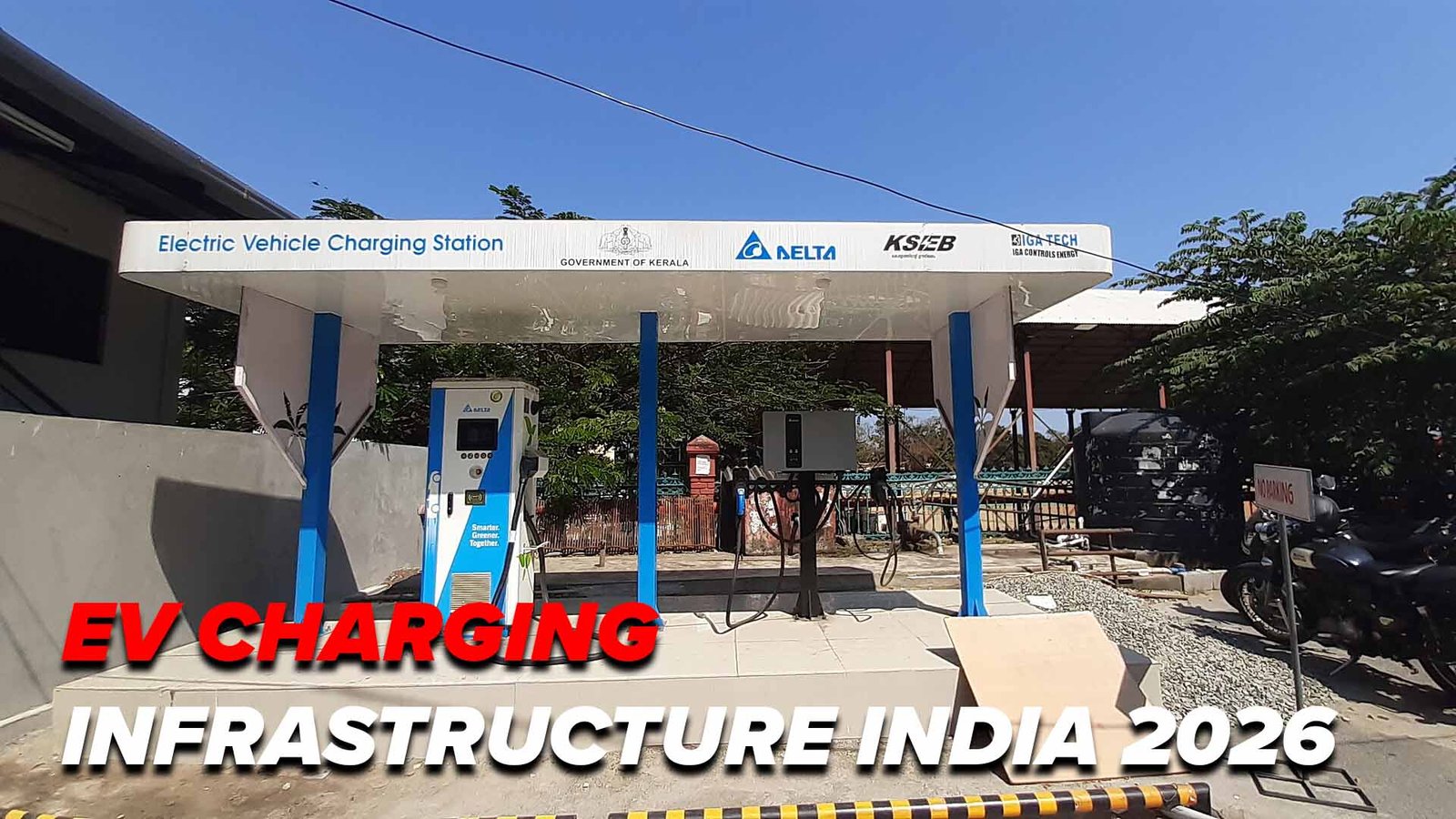
Utilization rate भी concern का विषय है। Most charging stations सिर्फ 5-6% capacity पर operate हो रहे हैं। यह number economically viable नहीं है। Private operators के लिए यह loss-making proposition बन गया है।
Tata Power ने अपने expansion plans को temporarily pause कर दिया है। Company ने 25,000 public chargers का target set किया था FY28 तक। लेकिन currently सिर्फ 5,500 operational हैं। Low demand देखकर aggressive expansion रोक दिया गया।
Karnataka जैसी states ने नए charging points के approvals cancel कर दिए हैं। Private firms की interest भी कम हो रही है। Investment return की uncertainty major roadblock है। Government subsidies भी limited period के लिए हैं।
इस scenario में 2026 का outlook cautiously optimistic है। Growth तो होगी लेकिन initial projections से slower। Realistic expectations रखना जरूरी है। Infrastructure overnight नहीं बनता।
Major Charging Networks Overview
Tata Power EZ Charge सबसे established network है। Company के पास 5,500+ public charging points हैं। 620+ cities में presence है। Highways पर भी strategic locations पर chargers लगाए हैं।
Tata Power की strength है reliability। Their chargers generally well-maintained रहते हैं। Uptime अच्छा है comparatively। Mobile app भी user-friendly है। Payment options multiple हैं।
Statiq का claim है कि उनके पास 7,000+ chargers हैं। 60+ cities में operations हैं। Unique selling point है Flux technology। इससे faster charging होती है without power sharing। Multiple connectors एक साथ full speed पर काम करते हैं।
ChargeZone सबसे aggressive expansion कर रहा है। 13,500 charging points का दावा है। 350 cities में presence है। 26 states cover कर रहे हैं। Target है 1 million charging points तक पहुंचना।
Jio-bp pulse भी significant player बन गया है। Reliance और BP की joint venture है। Fast charging पर focus है। Battery swapping भी offer करते हैं। Strategic locations जैसे malls, hotels में stations हैं।
Adani Total Energies भी market में active है। Retail outlets पर chargers install कर रहे हैं। Existing fuel station network को leverage कर रहे हैं। यह approach scalability में help करती है।
Ather Grid two-wheeler focused network है। Ather Energy ने अपने scooter owners के लिए बनाया था। लेकिन अब यह other EVs को भी support करता है। Bangalore में particularly strong presence है।
Charging Standards You Need
India में multiple charging standards use हो रहे हैं। यह confusion create करता है buyers के लिए। Bharat AC-001 standard government ने promote किया था। यह AC charging के लिए indigenous standard है।
Type-2 connector Europe से आया है। यह most common AC connector बन गया है। Modern EVs में यही standard मिलता है। Charging speed 3 kW से लेकर 22 kW तक होती है।
CCS (Combined Charging System) DC fast charging के लिए standard है। यह Type-2 connector का extended version है। DC pins add होते हैं नीचे। Fast charging 50 kW से 150 kW तक possible है।
CHAdeMO Japanese standard है। कुछ older EVs में यह connector मिलता है। लेकिन India में popularity कम है। Nissan Leaf जैसे vehicles use करते हैं। Future में यह phase out हो सकता है।
GB/T Chinese standard है। MG जैसी Chinese companies की cars में मिलता है। India में adoption limited है। लेकिन completely ignore नहीं किया जा सकता। Chinese EVs की entry के साथ relevant हो सकता है।
Connector compatibility check करना जरूरी है। Car खरीदते समय यह confirm कर लें। Adapter भी available हैं कुछ standards के लिए। लेकिन native support बेहतर है। Charging speed और safety दोनों better होती है।
Charging Levels Explained
Level 1 charging सबसे basic है। यह normal household socket से होती है। 230V/15A connection काफी है। Charging speed बहुत slow है। Two-wheelers के लिए okay है।
Full charge में 6-8 घंटे लग जाते हैं छोटी battery के लिए। Four-wheeler EVs के लिए यह practical नहीं है। Overnight charging भी insufficient हो सकती है। Emergency situations में काम आ सकता है।
Level 2 charging most common है। यह dedicated EV charger use करती है। AC charging 3 kW से 22 kW तक होती है। Home installations में usually 7 kW charger लगता है।
Public stations पर 11 kW या 22 kW chargers मिलते हैं। Full charge में 3-5 घंटे लगते हैं। यह speed acceptable है most users के लिए। Office parking या shopping mall में ideal है।
Level 3 यानी DC fast charging सबसे तेज है। यह 50 kW से शुरू होती है। High-end chargers 150 kW तक जाते हैं। Ultra-fast chargers 350 kW तक भी होते हैं।
80% charge सिर्फ 30-45 minutes में हो जाता है। यह highway travel के लिए game-changer है। लेकिन frequent fast charging battery health को affect कर सकती है। Occasional use recommended है।
Cost Structure Reality
Home charging सबसे economical option है। Electricity rates domestic slabs में लगती हैं। Average ₹8-10 per kWh आती है। State के according variation होता है। Delhi में rates ₹2-4 तक low हैं।
40 kWh battery को full charge करने में ₹320-400 खर्च होता है। यह एक full tank petrol के मुकाबले बहुत कम है। लेकिन initial charger installation cost भी देखना होगा। ₹38,000 से ₹75,000 तक लग सकते हैं।
Home electrical connection upgrade भी जरूरी हो सकता है। Three-phase connection लेना पड़ सकता है। Sanctioned load increase करवानी होगी। यह additional ₹50,000-75,000 का खर्च है। Monthly fixed charges भी बढ़ जाते हैं।
Public charging की rates variable हैं। ₹4.5 से लेकर ₹15 per kWh तक होती है। Location, time of day और charging speed पर depend करता है। Solar hours में कुछ stations discount देते हैं।
Peak hours में rates highest होती हैं। Tamil Nadu में recently rates increase हुई है। Peak hours में ₹9.75 per kWh तक पहुंच गई है। Night charging ₹8.10 per kWh है। यह operators की profitability को affect कर रहा है।
Membership plans भी available हैं। Monthly या annual subscription से per-charge cost कम होती है। Frequent users के लिए sensible option है। Discounts और priority access भी मिलता है। लेकिन commitment करनी पड़ती है।
Government Schemes Impact
FAME-II scheme का budget ₹11,500 crore था। यह April 2019 में start हुआ था। Main focus था electric vehicles की demand create करना। Purchase subsidies दी गई थीं। Charging infrastructure को भी support मिला।
लेकिन FAME-II का performance mixed रहा है। EV adoption targets पूरे नहीं हुए। 7.66 lakh vehicles को support मिला। यह initial projections से कम है। Subsidy amounts भी कई बार revise हुई।
PM E-DRIVE scheme October 2024 में launch हुई। यह FAME-II की successor है। Total budget ₹10,900 crore है। Two years के लिए valid है। March 31, 2028 तक extension है buses और trucks के लिए।
लेकिन two-wheelers और three-wheelers की subsidies March 31, 2026 को expire हो जाएंगी। यह major concern है। इन segments में सबसे ज्यादा EV sales हैं। Subsidy हटने पर prices 20-40% बढ़ सकते हैं।
Charging infrastructure के लिए ₹2,000 crore allocate किए गए हैं। यह amount insufficient लग रहा है। 72,000 new chargers का target है FY26 तक। Per charger cost के हिसाब से tight budget है।
State-level incentives भी available हैं। Delhi, Maharashtra, Gujarat, Karnataka जैसी states अलग से schemes चला रही हैं। Road tax exemption, registration fee waiver common हैं। कुछ states purchase subsidy भी दे रही हैं।
Battery Swapping Alternative
Battery swapping एक interesting alternative है। Traditional charging का सबसे बड़ा issue है time। Swapping में सिर्फ 2-3 minutes लगते हैं। यह petrol pump जैसा experience है।
SUN Mobility इस space में leader है। Company के पास 630+ operational swap stations हैं। 25,000+ vehicles को serve कर रहे हैं। Monthly 1 million+ swaps हो रहे हैं। 20 cities में presence है।
Business model है Battery as a Service (BaaS)। Vehicle की upfront cost 40% कम हो जाती है। Battery ownership company के पास रहती है। User pay-as-you-go basis पर pay करता है। Operational cost भी 20% तक कम होती है।
IndianOil के साथ partnership बड़ा game-changer है। Target है 10,000 swap stations 2030 तक। 40+ cities cover होंगी। Existing fuel station network को leverage करेंगे। Reach और accessibility significantly improve होगी।
SUN Mobility ने heavy vehicles के लिए भी technology develop की है। Modular battery packs use होते हैं। Buses और trucks को electrify करने में यह helpful है। Operational efficiency बहुत बढ़ जाती है। Drivers की income भी increase होती है।
लेकिन battery swapping की limitations भी हैं। Standardization बहुत critical है। Different manufacturers की batteries interchangeable नहीं हैं। Initial setup cost भी very high है। Profitability achieve करना challenging है। Scale achieve करना जरूरी है।
Mobile Apps Ecosystem
Charging apps ने user experience को transform कर दिया है। Tata Power EZ Charge app सबसे widely used है। Real-time availability दिखाता है। Navigation integrated है। Payment seamless है। RFID card option भी है।
Statiq app की USP है multi-network aggregation। अपने chargers के साथ third-party networks भी दिखाता है। Route planning feature है। Compatibility filter कर सकते हैं। Booking advance में possible है।
ChargeZone app में contactless payment है। RFID card apply कर सकते हैं। Remote monitoring होती है। Session history track कर सकते हैं। 24/7 customer support available है। Cloud-based management है।
Jio-bp pulse app simple और intuitive है। Nearby stations locate करना easy है। Cashless transactions support करता है। Multiple payment options हैं। Fleet charging के लिए special features हैं। Commercial users को benefits हैं।
Google Maps भी charging stations दिखाता है। लेकिन real-time availability नहीं होती। Operational status verify नहीं होती। Dedicated EV apps ज्यादा reliable हैं। Detailed information मिलती है।
PlugShare crowdsourced data use करता है। User reviews और ratings मिलती हैं। International travel में helpful है। India में coverage improving है। Community-driven approach है। Real user experiences share होते हैं।
Home Charging Setup
Home charging installation सबसे convenient option है। Overnight charging से morning में full battery मिलती है। Daily commute के लिए perfect है। Public charger dependency कम होती है। Cost भी lowest है।
Wall-mounted charger installation करवाना होता है। 7 kW charger most common है। 3-phase connection ideal है लेकिन mandatory नहीं। Single-phase पर भी 3-7 kW charging possible है। Dedicated circuit breaker जरूरी है।
Installation के लिए certified electrician hire करना चाहिए। Safety standards follow करने चाहिए। Bureau of Indian Standards guidelines हैं। Proper earthing बहुत critical है। Weather-proof enclosure recommended है।
Parking space में electrical point होनी चाहिए। Cable length adequate होनी चाहिए। Vehicle तक easily reach करनी चाहिए। Management society की permission लेनी होती है। NOC जरूरी है apartments में।
Smart chargers अब available हैं। App से control कर सकते हैं। Scheduling possible है। Off-peak hours में automatic charging set कर सकते हैं। Energy consumption monitor कर सकते हैं। Solar panels के साथ integrate हो सकते हैं।
Cost recovery का calculation करना चाहिए। Installation investment ₹40,000-80,000 है। Monthly electricity bill ₹1,000-2,000 बढ़ सकता है। लेकिन petrol savings ₹5,000-8,000 monthly हो सकती हैं। 6-12 months में investment recover हो जाती है।
Highway Corridor Development
Long-distance travel EV adoption का critical factor है। Highway charging infrastructure अभी developing stage में है। Golden Quadrilateral पर focus है। Delhi-Jaipur, Mumbai-Pune जैसे routes पर coverage better है।
Charging stations का spacing important है। Ideally हर 60-80 km पर station होना चाहिए। Current scenario में gaps 150-200 km के भी हैं। यह range anxiety create करता है। Planning के साथ travel करनी पड़ती है।
NHAI (National Highways Authority of India) actively involved है। Toll plazas पर charging stations mandate किए जा रहे हैं। PPP model से development हो रहा है। Land availability issue नहीं है। Power connectivity ensure करनी पड़ती है।
Fast charging mandatory है highways पर। 50 kW minimum होनी चाहिए। 150 kW chargers ideal हैं। 30 minutes का charging stop acceptable है। Amenities भी जरूरी हैं। Restrooms, cafeteria, waiting area होने चाहिए।
Renewable energy integration भी consider किया जा रहा है। Solar panels से power generate हो सकती है। Battery storage systems backup provide करते हैं। Grid dependency कम होती है। Operational cost भी reduce होती है। Sustainability goals भी achieve होते हैं।
Challenges Still Remaining
Power supply consistency बड़ा issue है। कई areas में grid capacity insufficient है। New charging stations add करने पर overload हो सकता है। Transformer upgrades जरूरी हैं। Distribution network strengthen करनी पड़ती है।
Land availability urban areas में problem है। Prime locations expensive हैं। Permissions लेना time-consuming है। Multiple authorities से approvals चाहिए। Bureaucratic delays common हैं। Setup time 6-12 months तक लग सकता है।
Vandalism और theft भी concerns हैं। Public chargers को secure करना challenge है। CCTV surveillance जरूरी है। Physical barriers install करने पड़ते हैं। Maintenance costs बढ़ जाती हैं। Insurance premiums भी high हैं।
Payment disputes और billing issues होते रहते हैं। App crashes के cases हैं। Refund process slow होती है। Customer support responsive नहीं होता हमेशा। Digital payment literacy भी सब में नहीं है। Cash payment option limited है।
Interoperability अभी भी problem है। Har network का अपना app है। Multiple apps download करने पड़ते हैं। Separate accounts बनाने पड़ते हैं। Unified interface की जरूरत है। Government ने open access mandate किया है। लेकिन implementation slow है।
Future Outlook 2026
2026 में charging infrastructure में improvement तो होगी। लेकिन dramatic transformation नहीं होगा। Steady growth की expectation realistic है। Private sector participation बढ़ेगी slowly। Profitability visible होने पर confidence आएगा।
Technology upgrades होंगे। Faster chargers deploy होंगे। 350 kW ultra-fast chargers पायलट basis पर आएंगे। Wireless charging भी trial stage में आ सकती है। Vehicle-to-grid technology explore होगी। Bidirectional charging possibilities हैं।
AI और IoT का integration बढ़ेगा। Predictive maintenance possible होगा। Load balancing automatic होगा। Dynamic pricing implement होगी। User behavior analysis से optimization होगा। Energy efficiency improve होगी significantly।
Renewable energy integration accelerate होगा। Solar-powered charging stations common होंगे। Wind energy भी कुछ locations पर use होगी। Green hydrogen pilot projects शुरू हो सकते हैं। Carbon-neutral charging का focus बढ़ेगा। Sustainability metrics track किए जाएंगे।
Standardization पर progress होगी। Unified payment systems आएंगे। Single RFID card multiple networks पर work करेगा। Roaming agreements between operators होंगे। Customer convenience बढ़ेगी। User experience significantly improve होगा।
Government policies और clear होंगी। Long-term vision communicate होगा। Subsidy roadmap transparent होगा। Regulatory framework stable होगा। Investor confidence बढ़ेगा। Private participation encourage होगा। Public-private partnership model refine होगा। Sustainable ecosystem develop होगा धीरे-धीरे।
